
Distinguishing Ajwat Al Aliya from Ajwat Al Madinah
Last Updated on February 8, 2026 by Mohammed Sifeddine
Table of Contents
Distinguishing Ajwat Al Aliya from Ajwat Al Madinah
In the rich tapestry of Islamic tradition, few natural foods carry the spiritual significance and healing properties of Ajwat Al Aliya dates. These exceptional dates, grown in the blessed highlands of Madinah’s Al-Aliya region, were specifically distinguished by Prophet Muhammad (peace be upon him) for their remarkable healing properties. Unlike ordinary dates, these special fruits were singled out in authentic hadith as powerful remedies against poison and black magic.
Learn more about Where to Shop for Al Madinah Al Munawwarah Dates
What makes these particular dates so extraordinary that the Prophet himself would differentiate them from other varieties? The answer lies in a unique combination of their sacred growing location, the blessed soil of Al Aliya, the miraculous water of the Ghars well, and their distinctive nutritional profile that modern science is only beginning to understand.
The Sacred Farms of Aliyat Al Madinah
Aliyat Al Madinah, often referred to as “Al-Aliya” or “Awali,” represents the elevated highlands surrounding the holy city of Madinah. This region sits at a higher altitude than the surrounding areas, creating a unique microclimate ideal for cultivating exceptional date varieties. The name itself—Al-Aliya—means “the elevated one,” reflecting both its geographical position and its spiritual significance.
What distinguishes this region is not merely its elevation but the extraordinary composition of its soil. The volcanic terrain of Al-Aliya contains a rich mineral profile unlike any other date-growing region in the world. This distinctive soil, combined with the region’s specific climate conditions, creates the perfect environment for cultivating dates with exceptional properties.
The Prophet’s Special Mention of Ajwat Al Aliya
The Miracle of Ajwat Al Aliya Dates: Why the Prophet (PBUH) Specified Their Healing Power
Narrated by Muslim (2048) from ‘Aisha (رضي الله عنها) that the Messenger of Allah (صلى الله عليه وسلم) said:
“Verily, in ‘Ajwah dates from Al-‘Aliyah there is healing – or indeed they are an antidote – when eaten early in the morning.”
Ahmad (25187) reported it with the wording:
“In ‘Ajwah of Al-‘Aliyah there is healing – or an antidote – when eaten first thing in the morning on an empty stomach.”
Another version by Ahmad (24735) states:
“In ‘Ajwah of Al-‘Aliyah, eaten first thing in the morning on an empty stomach, is a cure for every magic or poison.”
Authenticated by Al-Albani in Sahih al-Jami’ (4262).
Bukhari (5445) and Muslim (2047) narrate from Sa’d ibn Abi Waqqas (رضي الله عنه) that he heard the Messenger of Allah (صلى الله عليه وسلم) say:
“Whoever consumes seven ‘Ajwah dates in the morning will not be harmed by poison or magic that day.”
Scholarly Commentary
Ibn ‘Uthaymeen (رحمه الله) said:
“Some versions of the hadith specify ‘Ajwah dates, while others mention dates from Al-‘Aliyah. Some scholars restrict this virtue to these specific types, while others apply it to all dates. In any case, if one breaks their fast with seven dates in the morning, they will attain the mentioned benefit—whether the hadith is general or specific.”
(Fatawa Nur ‘ala al-Darb 6/2)
Explanation of Key Terms
Al-Munawi (رحمه الله) added:
“The beginning of the day starts with Fajr, followed by morning (الصباح), then early morning (البكرة), then forenoon (الضحى), and so on.”
(Fayd al-Qadir 2/103)
“First thing in the morning (أول البكرة) on an empty stomach (على الريق)”
This means eating dates before consuming anything else at dawn.
Imam al-Nawawi (رحمه الله) said:
“The phrase ‘first thing in the morning’ is equivalent to ‘whoever consumes in the morning (من تصبح).'”
(Sharh Sahih Muslim 14/3)
“Morning (البكرة)” in Linguistic Terms
Refers to the early part of the day, from dawn until sunrise.
Ibn al-Jawzi (رحمه الله) explained:
“تصبح (consuming in the morning) means eating them at dawn before any other food.”
(Kashf al-Mushkil 1/235)
Read more on our website about Types of dates in Al Madinah Al Munawwarah
Distinguishing Ajwat Al Aliya from Ajwat Al Madinah
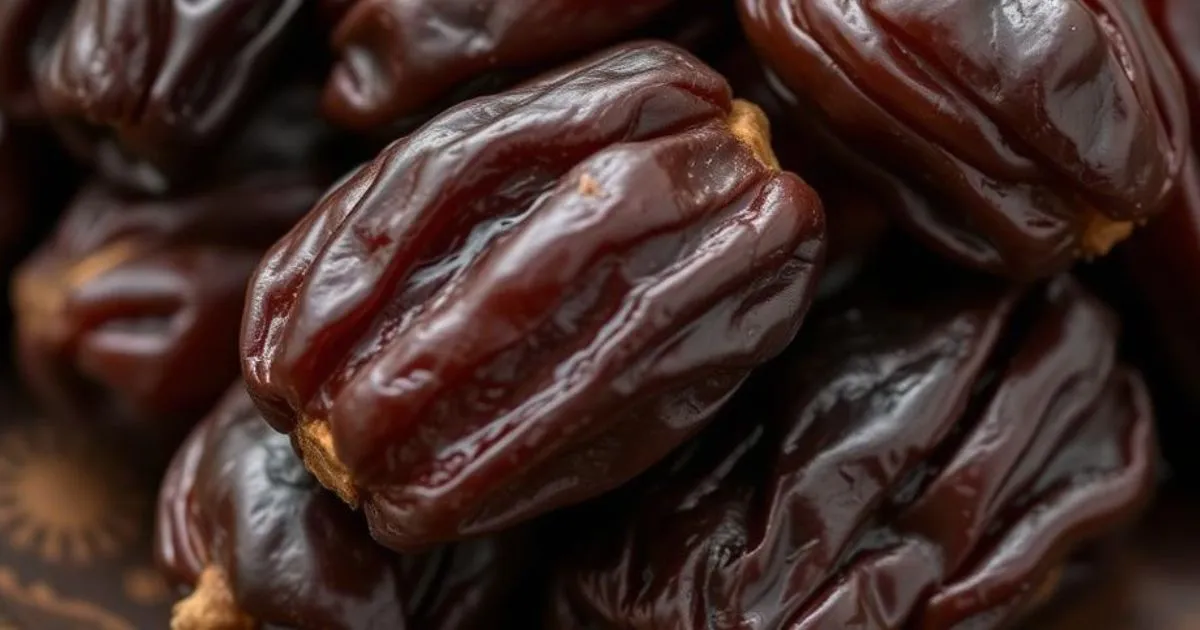
True ‘Ajwah dates from Al-‘Aliyah are distinct in:
- Size & Texture: Smaller, softer, and sweeter
- Color: Deep black hue
- Growing Conditions: Nourished by the blessed soil and water of Ghars Well
Scientific Validation
Modern studies confirm ‘Ajwah dates contain:
- Exceptionally high antioxidants (40-45% more than regular dates)
- Elevated selenium and magnesium levels
- Unique bioactive compounds with detoxifying properties
How to Consume for Maximum Benefit
The Prophet (PBUH) specified:
- Timing: “First thing in the morning on an empty stomach” (Bukhari)
- Quantity: Seven regular ‘Ajwah or one from Al-‘Aliyah
As Imam al-Nawawi explained:
“The phrase ‘first thing in the morning’ means eating them at dawn before consuming anything else.” *(Sharh Sahih Muslim 14/3)*
A Living Sunnah
These blessed dates connect us to the Prophet’s legacy while offering scientifically-proven health benefits. As Ibn al-Qayyim noted:
“The ‘Ajwah of Al-‘Aliyah combines the blessings of sacred land, pure water, and prophetic endorsement.”
Why did the Prophet distinguish between these date varieties?
The Prophet’s distinction between Ajwat Al Aliya (requiring only one date) and regular Ajwa dates (requiring seven) indicates the superior potency and special properties of the Al Aliya variety. This distinction recognizes the unique growing conditions, blessed soil (تربة أرضنا), and special water source (Ghars well) that contribute to their enhanced healing properties.
Scientific Perspective on Ajwat Al Aliya’s Healing Properties
Modern scientific research has begun to uncover the biochemical basis for the healing properties traditionally attributed to Ajwat Al Aliya dates. Studies have revealed that these dates contain an exceptional concentration of polyphenols, flavonoids, and other antioxidant compounds that far exceed those found in regular date varieties.
Antioxidant Properties
Research has shown that Ajwat Al Aliya dates contain exceptionally high levels of antioxidants that help neutralize free radicals in the body. These compounds have been linked to reduced inflammation and protection against various diseases, potentially explaining their traditional use as an antidote.
Mineral Content
The unique volcanic soil of Al-Aliya imparts an exceptional mineral profile to these dates. They contain elevated levels of selenium, zinc, magnesium, and potassium—minerals known for their roles in immune function and detoxification processes that could help counter poisonous substances.
Bioactive Compounds
Scientists have identified unique bioactive compounds in Ajwat Al Aliya dates that exhibit antimicrobial, anti-inflammatory, and immune-modulating properties. These compounds may work synergistically to provide the protective effects described in prophetic traditions.
Comparative Analysis with Regular Ajwa Dates
| Property | Ajwat Al Aliya Dates | Regular Ajwa Dates |
| Antioxidant Content | Very High (40-45% higher) | High |
| Selenium Content | Exceptionally High | Moderate |
| Flavonoid Profile | Unique compounds present | Standard profile |
| Magnesium Content | 30% higher | Standard |
| Potassium Level | 25% higher | Standard |
These scientific findings provide a rational basis for understanding why the Prophet Muhammad (PBUH) distinguished between Ajwat Al Aliya dates and regular Ajwa dates. The significantly higher concentration of beneficial compounds in the Al Aliya variety explains why a single date from this region might provide benefits comparable to seven regular Ajwa dates.
Read more in our website about The Secret of Ajwa: Unraveling the Mystery of Soft vs dry Ajwa
What is the significance of consuming seven ‘Ajwah dates in the morning according to the hadith?
The hadith indicates that consuming seven ‘Ajwah dates in the morning provides protection from poison and magic for that day. Beyond this, it carries profound wisdom and multiple benefits, as ‘Ajwah dates are a fruit from Paradise and contain healing from poison.
What is the spiritual (Imani) benefit of this practice?
The practice has a strong faith-based aspect. Implementing this prophetic guidance represents belief in and compliance with the command of the Prophet Muhammad (peace be upon him). Specifying the number seven, similar to specifying the times for prayers, is a matter whose full wisdom is known to the Divine Lawgiver. Believers must have faith in its virtue and wisdom, just as they do with the prescribed number of prayers or rates of Zakat.
What are the health benefits mentioned?
The practice has significant health benefits, which modern scientific studies have corroborated. Dates are an excellent natural laxative, prevent constipation, strengthen muscles, treat anemia, improve hearing and eyesight, and calm the nerves. They are high in dietary fiber and essential minerals like potassium and magnesium. Approximately three dates count as one serving of fruit.
Is there a social dimension to this prophetic guidance?
Yes, there is a social aspect. The people of Madinah honored the Prophet (peace be upon him) when he migrated to them. Their city was famous for palm cultivation. By guiding every Muslim to consume seven of their dates, the Prophet (peace be upon him) honored them with what was most dear to them, showing the ultimate respect and reciprocation for their hospitality.
What is the economic insight derived from this?
The directive encourages the purchase of dates from Madinah, as they possess distinct, blessed properties. The Prophet (peace be upon him) prayed for blessing in the fruits and the city of Madinah. This preference serves as a form of economic honor for its people, increasing their livelihood by directing demand toward their distinctive and blessed produce.
How does this relate to the distinction of Makkah and Madinah?
Makkah is distinguished by the blessed Zamzam water, which is termed a food that nourishes and a healing for sickness, serving as hospitality for visitors to the Sacred Sanctuary. Similarly, Madinah is distinguished by its dates, specifically ‘Ajwah, which provide healing from poison and magic. Thus, if Zamzam is the hospitality of the Makkan sanctuary, then dates—especially ‘Ajwah—are the hospitality of the Madinan sanctuary.
What dietary system does this practice highlight?
This practice highlights a principle of a healthy dietary regimen. The Prophet (peace be upon him) guided his nation to begin their nutritional intake at the start of the day (breakfast) with dates, just as he guided those fasting to break their fast with dates after sunset. It establishes dates as an ideal, wholesome starter for the first meal of the day.
