
Souq Al-Tabbakha : in Madinah: Food, Location & What to Expect
Last Updated on September 10, 2026 by Mohammed Sifeddine
Table of Contents
Souq Al-Tabbakha : in Madinah: Food, Location & What to Expect
Forget the predictable hotel dining. In Medina, the true culinary ritual unfolds in the vibrant, aromatic alleyways of Souq Al-Tabbakha (location), the city’s oldest and most beloved market for traditional cuisine.
Our Visit to Souq Al-Tabbakha
Our visit: VisitAlMadinah visited Souq Al-Tabbakha in 2026.
We found the market to be large and well organized, with many food options spread throughout the area. It is worth taking your time to walk around rather than choosing the first restaurant you see, as exploring the market reveals more of the available options.
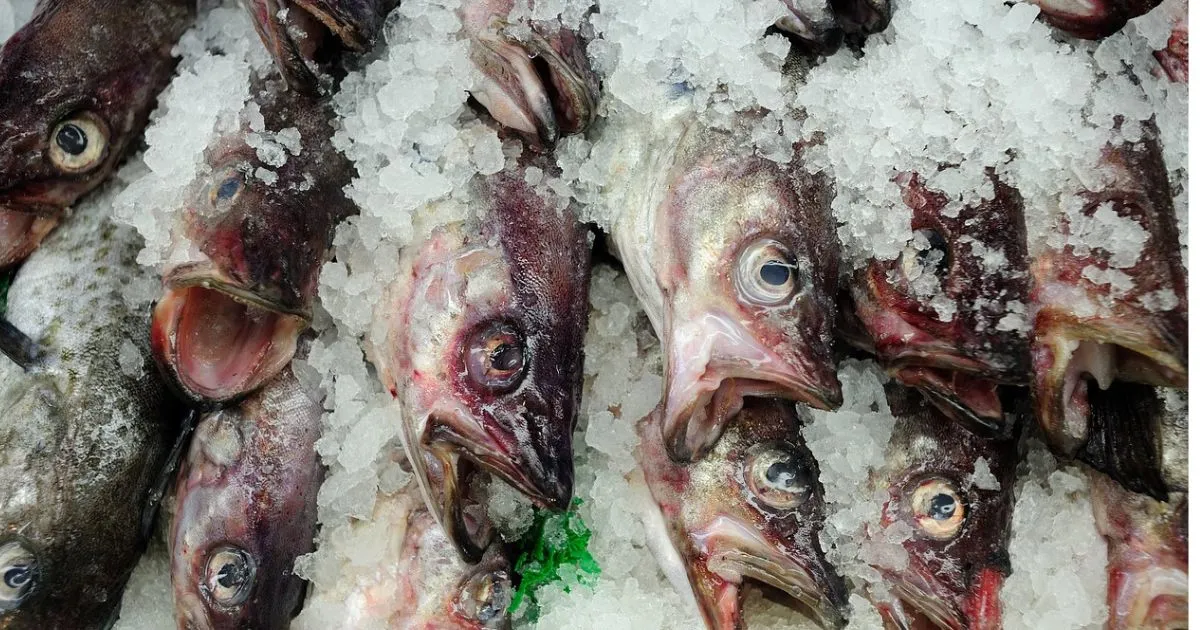
We visited at night, when the market was busy. During our visit, we ate fish with rice and found the prices to be quite reasonable.
The dining spaces can feel somewhat tight when visiting as a larger group, but overall we found the experience comfortable. We also found English menus and signs, which can make the market easier to navigate for international visitors.
VisitAlMadinah firsthand
Visited: 2026
Time: Night
Experience: Fish with rice
Atmosphere: Busy
Prices: Reasonable
English: Menus/signs available
Our impression: Large, well-organized market worth exploring
Where to Souq Al-Tabbakha ?
You won’t need a complicated map to find this treasure. Souq Al-Tabbakha is nestled in the historic Qurban district, a central and easily accessible neighborhood just southwest of the Prophet’s Mosque. Its exact address is the bustling Qurban Street (Shari’ Qurban), a thoroughfare steeped in history.
What makes its location truly special is its proximity to other key sites. The souq is part of a perfect cultural trifecta:
- Steps from History: It is located a mere 3-5 minute walk from the renowned Asafia Museum (Dar Al Madinah Museum). This makes it effortless to combine a journey through the city’s visual history with an immersive tasting tour of its culinary heritage.
- In the Heart of It All: The market is also in the immediate vicinity of the Qurban Mosque (one of the famous Seven Mosques) and the fragrant Souq Al-Attarin (the Perfume Market). This places you in the very heart of Medina’s most authentic and historic quarters.
When to Visit: Follow the Local Rhythm
The souq operates on a schedule tuned to the city’s pulse. While individual stalls may vary, the general operating hours are:
- Peak hours are during traditional meal times: late morning for a late breakfast or early lunch, and again in the evening for dinner. For a more relaxed experience, visit in the afternoon or later in the evening.
- Note: Hours may shift during prayer times, with a brief lull as vendors and patrons observe Salah. This is a perfect moment to soak in the atmosphere.
Read also on our website about Souq Al-Mujahideen: Your Ultimate Guide to Medina’s 50-Year-Old Hidden Market
Step Into a Living History
The market itself feels like stepping into a different era. There are no glossy signs or digital menus here. Instead, your guide is your senses: the sound of dough being slapped and shaped for tamees, the sight of massive pots of foul simmering over low flames, and the unmistakable aroma of spices, baking bread, and rich Arabic coffee that hangs lovingly in the air.
The ambiance is a beautiful, organized chaos. Narrow pathways wind between decades-old establishments, each one a family legacy. The air is filled with the warm hum of conversation—a mix of vendors calling out orders, families chatting loudly, and the quiet prayers of patrons. You don’t just observe the culture here; you become a part of it, even if just for a meal.
A Feast Without Borders
Souq Al-Tabbakha is not a single restaurant but a constellation of culinary specialists. While its heart beats for classic Hijazi dishes, to call it a one-note market is a vast understatement. It is a microcosm of Saudi and broader Middle Eastern culinary tradition, offering a breathtaking array of flavors that cater to every craving.
This is where you come for a definitive taste of classics, with each stall mastering its own craft.
- For the iconic Foul Medammes: Follow the crowd to the stalls with the largest copper pots. Here, fava beans have been slow-cooked to creamy perfection for hours, served with a generous glug of olive oil, a squeeze of lemon, and a sprinkle of fresh chili. It’s hearty, wholesome, and the undisputed champion of the market.
- For Flaky, Buttery Muttabaq: Watch masters stretch dough paper-thin on a hot griddle, filling it with savory minced meat, eggs, and herbs, or a sweet, creamy banana and nut mixture for a perfect dessert. The skill is mesmerizing, the result is unforgettable.
- For Warm Tamees Bread: No meal is complete without this pillow-soft, wood-fired bread. Grab it fresh from the oven, tear it apart with your hands, and use it to scoop up every last bit of your meal.
The journey continues throughout the day, revealing its full gastronomic spectrum:
- Hearty Stews: Enormous pots of Haleem (a rich, wheat and meat porridge) and Maraq (a fragrant meat and vegetable stew) take center stage, their steam carrying tantalizing spices through the alleyways.
- The King of Grills: You cannot miss the Mandi. Look for restaurants where whole lambs or large cuts of chicken are slow-roasted in underground clay ovens. The meat, falling off the bone and infused with smoky, spiced aromas, is served over fragrant rice—a truly regal meal.
- A Note for the Adventurous Eater: Venturing into offal is part of the authentic experience here. Liver (Kibda), typically lamb or chicken, is a popular and delicious choice, often grilled with spices on a flat top. For the freshest taste, observe which stalls have a constant stream of locals. If you are a seafood connoisseur, the fish is an excellent alternative; seek out a dedicated vendor and choose a firm, white fish like Hamour (grouper), simply grilled to perfection.
- Street Food Bliss: The energy of the souq is fueled by constant snacking. Skewers of Kebab and Shish Tawook sizzle on open grills, while vendors fry up golden discs of Falafel and crispy Sambusas stuffed with meat, cheese, or vegetables.
- A Sweet Conclusion: The culinary tour ends on a high note. Beyond the sweet Muttabaq, you’ll find trays of sticky Baklava, bowls of creamy Mahalabia (milk pudding), and the iconic Kunafa—a warm cheese pastry soaked in sweet syrup, often made to order in vast copper pans.
Washed down with sweet, spiced karak chai or traditional Saudi coffee, a meal here is a symphony of flavors that tells the story of the region, one dish at a time.
Read also on our website about Haraj al-Halaqah: A Tourist’s Guide to Medina’s Vibrant Vegetable & Fruit Market
A Tradition Preserved
In a city that continues to modernize at a rapid pace, Souq Al-Tabbakha stands as a resilient guardian of heritage. While the world around it has changed, the market has fiercely protected its character. It has been preserved, not modernized—a conscious choice by the community and vendors to hold onto an irreplaceable piece of Medina’s identity. Visiting isn’t just a meal; it’s an act of participation in keeping this tradition alive for generations to come.
Your Journey Awaits
So, when in Medina, venture beyond the familiar. Let the scent of baking bread and grilling meat guide you to the historic Qurban Street. Sit on a simple plastic stool, order by pointing at what looks good, and share a smile with the locals. You won’t just be eating; you’ll be feasting on history, community, and the authentic, beating heart of the city.
What is Al-Tabbakhah Market?
Al-Tabbakhah Market (سوق الطباخة) is a famous, long-standing traditional food market in Madinah, Saudi Arabia. It’s known for its authentic Yemeni and Arabian cuisine, fresh seafood, grilled meats, and lively, affordable dining atmosphere. It has been operating for over 40-60 years.
Where is Al-Tabbakhah Market located?
The market is located in Madinah, very close to the Prophet’s Mosque (Al-Masjid an-Nabawi). Specifically, it is near Gate 308/309 of the Haram and is adjacent to the mosque of Bilal. You can find it by searching for “سوق الطباخة” on Google Maps.
What are the operating hours and meal periods?
The market has distinct periods for different types of food:
- Morning Period: Until 10:00 AM, serving items like liver (كبده), lamb’s head parts (مقادم), lamb chops (كونية), cuts of meat (تقاطيع), and fried items (مقلقل).
- Lunch/Dinner Period: From 10:00 AM until 2:00 AM at night, serving grilled items like kebabs (كباب), lamb chops (أوصال), ribs (ريش), shish tawook (شيش طاووق), Mandi lamb head (راس المندي), Mandi fish and meat, and more.
What kind of food is available at Al-Tabbakhah Market?
The market offers a vast array of traditional food, specializing in Yemeni cuisine. Popular items include:
- Seafood: Various fresh fish like Hammour, Najil, and Sho’our, available grilled or fried.
- Mandi Dishes: Lamb head Mandi (راس المندي) and meat Mandi (لحم المندي).
- Grilled Meats: Kebabs (lamb, chicken, with cheese), ribs, shish tawook, and Ousal (lamb chops).
- Yemeni Dishes: Kabsa, Fahssa, Saltah, Mashweyat, and Mahrouqat.
- Other: Egyptian dishes like Koshary and Foul, Pakistani/Indian Biryani, and breakfast items like Areekah and Ma’soub.
What are the prices like?
The market is known for its reasonable and affordable prices. Examples mentioned in the text include:
- A plate of Koshary for 5 SAR.
- Mixed grill (Mashawi) for 40 SAR.
- A skewer of Kebab or Kofta for around 20 SAR (for 4-5 skewers).
- Fish prices vary by type, e.g., starting from 35 SAR per kilo.
- A serving of Mandi Lamb Head for 25-50 SAR per person.
- A serving of grilled fish with rice for 55 SAR per person.
What is the atmosphere like?
The market has a vibrant, bustling, and authentic local atmosphere. It’s often very crowded, especially after Friday prayers. It features casual outdoor seating where people from all nationalities—locals, pilgrims, and tourists—gather to eat together, creating a uniquely social and communal experience that many visitors describe as feeling like a celebration or wedding feast.
What are some of the famous or recommended restaurants within the market?
Several longstanding and highly recommended restaurants are mentioned:
- Abed Restaurant (مطعم عابد): One of the oldest, operating for over 50 years, known for its Mandi head and seafood.
- Al-Mu’allim (المعلم): Known for Yemeni food.
- Abu Khattab (أبو خطاب): Famous for Egyptian cuisine.
- Al-Muhailhil (المهلهل): An old establishment known for grills.
- Bayt Al-Mandi (بيت المندي): Specifically recommended for Mandi dishes.
- Bayt Al-Barakah (بيت البركة): Recommended for fish.
Why do visitors and locals recommend this market?
People recommend it for its authentic taste, wide variety of traditional foods, affordable prices, and unique, lively atmosphere. It’s considered a must-visit for anyone in Madinah to experience genuine local cuisine and culture. Many reviewers give it a 100% rating.
Is it suitable for international visitors?
Absolutely. The market is a popular destination for pilgrims and tourists from all over the world (Indonesia, Malaysia, Egypt, Pakistan, etc.). The vendors are used to international customers, and the experience of dining there is considered a highlight of visiting Madinah.
