
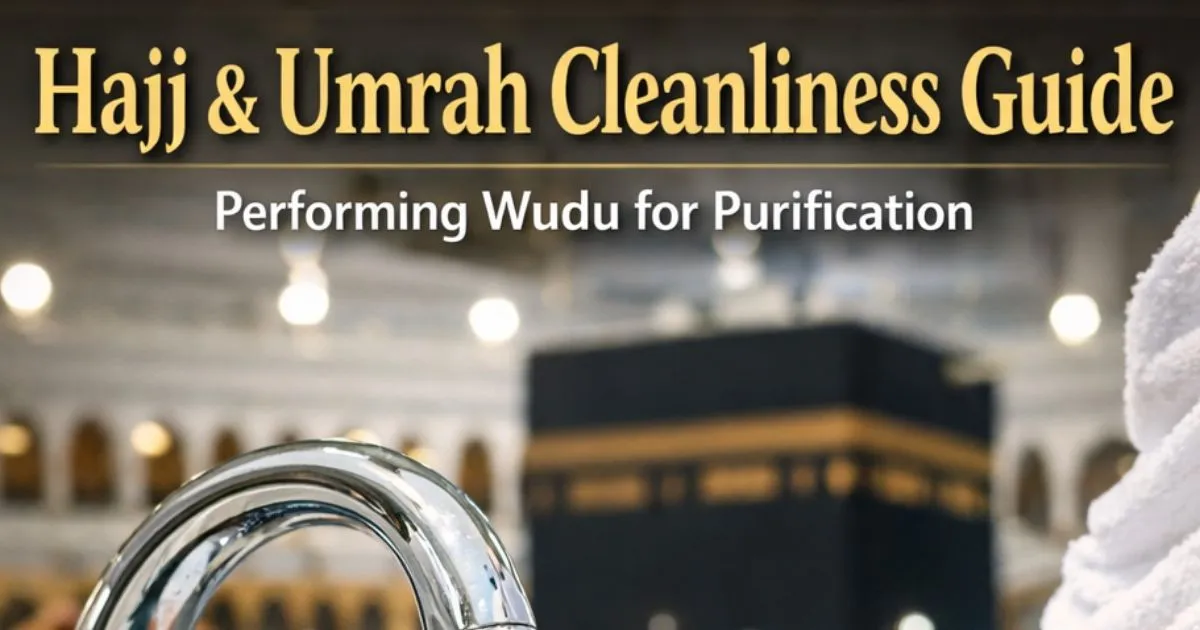
The Essential Hajj and Umrah Cleanliness Guide: A Sacred Duty for Every Pilgrim
Table of Contents
The Essential Hajj and Umrah Cleanliness Guide: A Sacred Duty for Every Pilgrim
Introduction: Purity as the Foundation of Worship
For the pilgrim embarking on Hajj or Umrah, cleanliness (Nadhafah) and ritual purity (Taharah) are not mere logistical concerns; they are integral pillars of the worship itself. This guide synthesizes Islamic directives with modern environmental initiatives to ensure every pilgrim can focus on devotion, leaving a positive impact on the sacred environment and fellow worshippers.
The Sacred Link: Cleanliness, Iman, and Hajj & Umrah
The connection between faith, purity, and pilgrimage is unequivocal in Islamic texts. The Prophet Muhammad (peace be upon him) said: “Purity is half of faith.” (Sahih Muslim). Furthermore, Allah instructs in the Quran: “And take your provisions, but indeed, the best provision is righteousness (Taqwa).” (Quran 2:197). Part of this righteousness is maintaining personal and environmental cleanliness.
Allah also says: “Indeed, Allah loves those who are constantly repentant and loves those who purify themselves.” (Quran 2:222). Approaching the Holy Masajid in a state of physical and spiritual purification is a manifestation of this divine love.
Personal Purity (Taharah): Preparing the Vessel for Worship
The Constant State of Wudu and Ghusl
Pilgrims are encouraged to remain in a state of Wudu as much as possible. Regular Ghusl (ritual bath), especially before major rites like standing at ‘Arafah or entering the state of Ihram, is highly recommended Sunnah. This constant purification enhances mindfulness and readiness for prayer.
Managing Personal Hygiene in Ihram
A common challenge is managing body odor while in Ihram, where scented products are prohibited for men and women. Authentic solutions include:
- Using unscented alum crystal (a natural mineral) on underarms.
- Washing with unscented soap frequently.
- Understanding that the prohibition applies to intentionally applied fragrance; the natural scent of clean skin and unscented cleaning is perfectly acceptable.
Comprehensive Body Care: From Nails to Breath
- Nails and Hair: Trim nails and remove unwanted body hair before assuming Ihram. During Hajj and Umrah, maintain this grooming when possible outside of the specific restrictions of Ihram.
- Oral Hygiene: The Prophet (peace be upon him) emphasized the importance of cleaning the mouth, saying: “Had I not found it hard for my followers, I would have ordered them to use the Siwak (miswak) before every prayer.” (Sahih al-Bukhari). Using a miswak, toothbrush, or unscented mouthwash is crucial for personal comfort and consideration in crowded spaces. For those with chronic issues, consulting a dentist before travel is essential.
- Hand Hygiene: Carry unscented hand sanitizer or soap. Frequent handwashing is critical for health in large gatherings.
The Importance of Clean Clothing and Essentials
- Ihram Garments: In line with modern environmental campaigns, pilgrims are encouraged to choose Ihram garments made from recyclable or sustainable fabrics. This facilitates easier disposal after the rites without negatively impacting the environment. For men, ensure the two sheets of Ihram are clean and changed regularly.
- General Clothing: For women and men outside of Ihram, pack lightweight, washable fabrics. Quick-dry materials are ideal. check our guide on how to be quality thawb for men .
- Pilgrim’s Kit: Always carry:
- Unscented wet wipes.
- A small bag for personal waste.
- Extra zip-lock bags for used clothing.
- A portable prayer mat (to define personal space hygienically).
- A durable, reusable water bottle to minimize plastic waste from single-use bottles.
Environmental Sanctity: Honoring the Haramayn
The Prohibition of Littering in Sacred Spaces
The mosques in Makkah and Madinah are sanctuaries. Littering—whether water bottles, food wrappers, or tissues—is a violation of their sanctity. It shows disregard for the house of Allah and creates hardship for others. The Prophet (peace be upon him) warned against causing harm, saying: “There should be neither harming nor reciprocating harm.” (Sunan Ibn Majah, Sahih).
Collective Responsibility: Easing the Burden on Services
While cleaning teams work tirelessly, the scale of Hajj and Umrah makes individual responsibility paramount. Every pilgrim should:
- Use bins diligently.
- If a bin is full, hold onto waste until an empty one is found.
- Consider picking up one piece of stray litter they see—an act of service (khidmah) that earns immense reward.
Modern Guidance: The “It is Pure” Campaign & National Strategy
Recognizing the environmental impact of millions of pilgrims, relevant national authorities have launched important initiatives to guide guests of Ar-Rahman:
- The “It is Pure” Campaign: This awareness initiative directs pilgrims to adopt positive environmental behaviors. Key recommendations include:
- Wearing high-quality, durable footwear that lasts the entire journey without breaking and becoming waste.
- Carrying high-quality, energy-efficient electrical devices (like lights or fans) that are durable and reduce waste.
- The core message is to minimize all forms of waste generation during the pilgrimage.
- National Waste Management Strategy: This comprehensive national plan aims for ambitious environmental sustainability. Its goals include diverting a very high percentage of general, industrial, construction, and electronic waste away from landfills through recycling and recovery. This strategic context makes each pilgrim’s effort to reduce and properly dispose of waste a direct contribution to national and Islamic environmental goals, supporting sustainable development.
Accommodation Etiquette: A Reflection of Faith
Maintaining Order as a Sunnah
The Prophet (peace be upon him) loved orderliness. Keeping your living space tidy—whether a hotel room or a shared apartment—reflects inner discipline and respect for the space provided. It also prevents accidents and lost items during a busy journey.
Shared Facilities: A Test of Consideration
- Bathrooms: This is critical. Always leave the bathroom cleaner than you found it. Flush thoroughly. Dispose of sanitary products in the provided bins, never in the toilet. This is a direct application of removing harm, as unpleasant smells and blockages affect dozens of people.
- Washing Areas: Clean sinks after use. Do not leave personal items to occupy shared space for long periods.
- General Spaces: Keep noise levels down, manage luggage neatly, and respect shared schedules for kitchen or bathroom use.
Common Oversights & Practical Solutions
| Oversight | Islamic Principle | Practical Solution |
|---|---|---|
| Leaving trash near the Kaaba or Rawdah. | Respect for the Sacred (Hurma). | Carry a small disposal bag. Use it, then transfer to a large bin. |
| Over-perfuming before Ihram. | Following the prohibition of fragrance in Ihram. | Shower with unscented soap just before entering Ihram. |
| Using single-use plastic bottles. | Prohibition of wastefulness (Israf) and modern environmental directives. | Use a durable, reusable water bottle and refill it at designated stations. |
| Bringing low-quality, breakable items. | The “It is Pure” campaign guidance on durability. | Invest in high-quality, long-lasting essentials (footwear, bags, appliances) before traveling. |
| Forgetting communal impact. | The principle of “The believers are like one body.” | Always ask: “Will my action make it easier or harder for the pilgrim next to me or for the environment?” |
Departing as a Better Steward
Hajj and Umrah are journeys of transformation. Part of that transformation is internalizing the comprehensive Islamic ethic of cleanliness—for one’s self, for one’s community, and for one’s environment. By adhering to this guide, which combines timeless Sunnah with contemporary environmental stewardship, the pilgrim fulfills a sacred duty, honors the sanctity of the Haramayn, and contributes to global sustainability efforts supported by national initiatives.
This practice does not end at the conclusion of the rites; it is a Sunnah to carry home. May every pilgrim return not only with forgiven sins but also as an ambassador of this holistic purity, inspiring others in their local communities. To continue your preparation, explore our guide on the how to be better preperaed for Umrah and hajj. May Allah accept your pilgrimage and grant you a safe and pure journey.