
Islamic Waqf: How a 7th-Century System Built a Welfare State
Table of Contents
The Enduring Power of Islamic Waqf: How a 7th-Century System Built a Welfare State
Introduction: The Engine That Built an Empire
Imagine a financial system so powerful that it funded universities, hospitals, and social welfare for centuries without government taxes. A system where the wealthy and poor were permanently connected through sustainable charity. This wasn’t a modern economic theory—it was Islamic Waqf, the endowment system that powered Islamic civilization for over a millennium.
From the orchards of 7th-century Medina to universities in Istanbul and hospitals in Cairo, Waqf created what historians call the world’s first comprehensive welfare state. This article reveals how this revolutionary system worked, why it lasted so long, and what we can learn from it today.
1. The Seed of Civilization: What is Waqf?
At its core, Islamic Waqf (which means “to hold, confine, or preserve”) is a permanent endowment. The founder dedicates a revenue-generating asset—like land, a shop, or a well—for charitable purposes forever. The asset itself can never be sold, inherited, or gifted. Only its benefits are distributed according to the founder’s wishes.
The system follows the Prophetic instruction: “Hold on to the principal asset and donate its benefits.”
This simple principle created extraordinary results. A single endowment could fund:
- Free education for generations
- Healthcare for the poor
- Water wells for entire communities
- Support for orphans and widows
- Animal shelters and environmental projects
As one scholar noted: “Muslims developed amazing social and economic formations through these endowments, creating social cohesion where the wealthy supported the poor, and everyone contributed to the common good.”
2. The Prophetic Blueprint: First Endowments in Medina
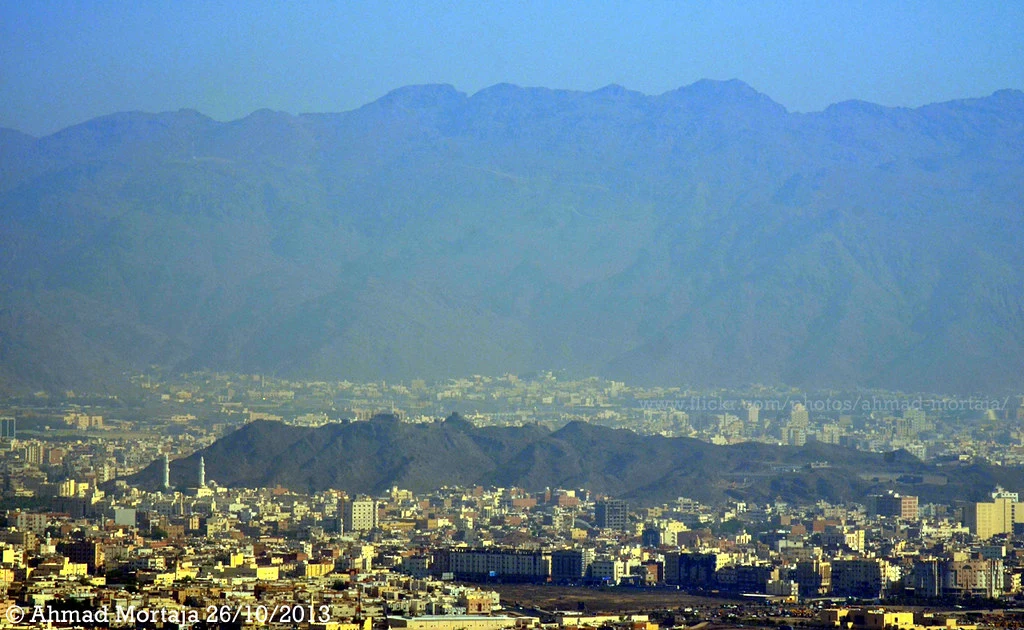
The model began in Medina with what historians call “The Seven Orchards” (Al-Sawāqī Al-Sabʿah).
Before the Battle of Uhud, a Jewish scholar named Mukhayriq instructed his tribe: “If I die, give my seven orchards to Muhammad to use as he sees fit.” When he was martyred in battle, these valuable properties—irrigated by the Wadi Mahzur and located in the Al-‘Awali district—became the first major Islamic endowment.
These seven orchards had names that are still known today: Al-‘Awāq, Barqah, Hassā or Hussā, Al-Dalāl, Al-Ṣāfiyah, Al-Mathāb, and Mashrabah Umm Ibrāhīm. Their revenue supported the Prophet’s household and community needs, establishing a precedent that would spread across the Muslim world.
3. The Companions’ Legacy: Multiplying the Impact
The Prophet’s companions immediately embraced and expanded this system:
Abu Bakr al-Siddiq: Purchased the land for the Prophet’s Mosque when the Ansar offered it for free. He insisted on paying, making the mosque itself a form of endowment. He also endowed a village called Al-Suwayriqiyyah between Mecca and Medina.
Uthman ibn Affan: Bought the famous Well of Rumah, Medina’s only source of sweet water, and endowed it for public use. He paid approximately 35,000 dirhams—a fortune at the time—to secure public access to water.
Ali ibn Abi Talib: Endowed properties called Al-Faqīrain and Al-Faqīr, plus a well called Bi’r al-Mulk near Mount Uhud, which was rediscovered just a few years ago.
Khalid ibn al-Walid: Endowed his house (Dar al-Minyā) and his military equipment near the mosque.
Fatimah al-Zahra: Endowed property in Wadi al-Far’.
Zubayr ibn al-Awwam: Created a complex endowment where revenues supported his children, with specific conditions for male and female heirs.
As one historian noted: “There wasn’t a single capable companion from the Muhajireen or Ansar who didn’t endow something.”
4. Three Types of Waqf & Who Benefits
The system evolved into three main categories:
1. Public Waqf (Waqf Khayri)
- For general charitable purposes
- Supported mosques, schools, roads, bridges
- Examples: Uthman’s Well of Rumah, public kitchens
2. Family Waqf (Waqf Dhurri or Ahli)
- Revenue first supports donor’s descendants
- Reverts to public charity when lineage ends
- Example: Zubayr’s endowment for his children
3. Combined Waqf (Mushtarak)
- Split between family and public causes
- Example: 70% for descendants, 30% for the poor
Who benefited? The range was astonishingly comprehensive:
- The poor and needy
- Students and scholars
- Travelers and guests
- Medical patients
- Orphans and widows
- Even animals (there were endowments for stray cats and birds)
5. Governance & Protection: How Waqf Lasts Centuries
A common question arises: How were these assets protected across generations?
The system developed sophisticated governance:
1. The Waqf Deed (Waqfiyyah): A legal document specifying every detail—the asset, its purpose, beneficiaries, and management rules.
2. The Trustee (Nāzir or Mutawallī): An appointed manager, often from the founder’s family initially, responsible for maintaining the asset and distributing benefits.
3. Judicial Oversight: Qadis (judges) monitored Waqf management. As explained by scholars: “Heirs have no right to interfere unless appointed as trustees. There are administrative bodies that oversee these endowments, monitor trustees, and hold them accountable.”
4. Perpetuity Principle: The most famous condition states the asset remains endowment “until Allah inherits the earth and all upon it.” This religious framing created powerful social enforcement against misuse.
6. Modern Relevance: Is This System Still Alive?
Many of these ancient endowments still exist today:
- The Seven Orchards: Five are precisely located, with two generally identified in the Al-‘Awali area.
- Uthman’s Well: Still exists in Medina.
- Abu Bakr’s Endowment: The Al-Suwayriqiyyah area remains known.
- Historical Properties: Many Companion-endowed properties around the Prophet’s Mosque were incorporated into later expansions.
Modern applications show the system’s flexibility:
- Universities: Like Al-Azhar University (founded 970 CE) funded through Waqf
- Hospitals: Historical hospitals in Istanbul and Cairo
- Social Housing: The Waqf model inspired modern affordable housing schemes
- Microfinance: Contemporary Islamic finance adapts Waqf principles for community development
7. Conclusion: A Timeless Model for Social Good
Islamic Waqf represents one of history’s most successful social finance systems. For over 1,400 years, it demonstrated how private wealth could be channeled into permanent public good without government intervention.
The system worked because it was:
- Sustainable: Assets generated continuous revenue
- Flexible: Could address any community need
- Accountable: Built-in governance protected assets
- Inspiring: Connected giving to eternal reward
As one scholar concluded: “This is a tremendous, immense wealth and a noble Prophetic tradition. The poor can be sustained through it, and needs of nations can be met. It is a great wealth because everything that comes from these lands—from above or below—returns to the endowments.”
In an era seeking solutions for social inequality and sustainable development, this ancient system offers surprisingly modern insights. The principles that built medieval universities and hospitals might just hold keys to addressing 21st-century challenges.
Image Credits & References:
- The Waqf Institution: Historical Development
- World Bank Report on Islamic Social Finance
- UN Development Programme on Waqf
- Harvard Islamic Law Blog on Waqf History
- Read more about Madinah in our Blog Section