
Itikaf in Makkah and Madinah The Ultimate 2026 Guide
Table of Contents
The Ultimate 2026 Guide: Powerful Tips for a Transformative Itikaf in Makkah and Madinah
Don’t Miss This Spiritual Opportunity
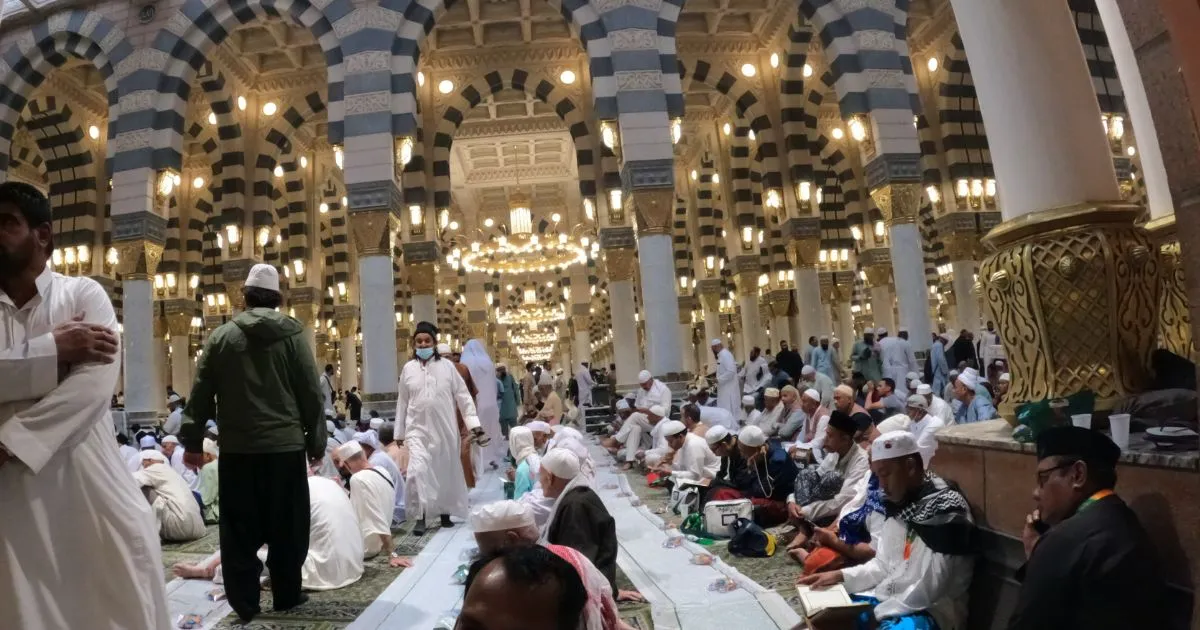
Imagine the profound silence of the night in the Prophet’s Mosque, broken only by the whispered prayers of thousands seeking forgiveness. Picture yourself witnessing the first light of dawn touching the Kaaba, not as a visitor, but as a resident of the House of Allah. This is the unmatched experience of Itikaf in Makkah and Madinah. However, this transformative spiritual retreat requires one crucial thing that many are unaware of: early registration.
While the official announcements for the 2026 Ramadan season have not yet been released, history has shown a consistent pattern. Based on the process from previous years, registration for Itikaf in Makkah and Madinah is expected to open at the very beginning of Ramadan 2026, and spots are extremely limited. This article serves as your essential preparatory guide and disclaimer. Our goal is to pre-inform you so that when the time comes, you are ready to act swiftly. We will cover the anticipated registration process, a comprehensive packing list, health tips, and time management strategies to ensure your Itikaf in Makkah and Madinah is a success.
Disclaimer: A Forward-Looking Guide
Important Notice: The information below regarding the registration process for Itikaf in Makkah and Madinah is based on the procedures established by The General Presidency for the Affairs of the Two Holy Mosques in previous years (2024, 2025). This article is intended as a preparatory guide for the anticipated 2026 season. The official dates, eligibility criteria, and registration portal details for Ramadan 2026 will be confirmed by the Presidency closer to the time. Readers are strongly advised to monitor the official website (alharamain.gov.sa) for the most current and accurate announcements. This guide is for informational purposes only.
Read also about our Ultimate Guide to an Optimal Spiritual Journey to Makkah and Madinah for the Time-Strapped Professional
The Golden Opportunity: How Registration for Itikaf is Expected to Work
Based on the established pattern, the process for securing a permit for Itikaf in Makkah and Madinah is highly organized and digital.
Anticipated Official Announcement for Itikaf in Makkah and Madinah
In previous years, an announcement similar to the following was released: “بدأت الهيئة العامة لشؤون المسجد الحرام والمسجد النبوي اليوم، استقبال طلبات الاعتكاف في الحرمين الشريفين، وذلك عبر البوابة الإلكترونية للهيئة.” (The General Presidency for the Affairs of the Grand Mosque and the Prophet’s Mosque has today begun receiving applications for Itikaf in the Two Holy Mosques, via the Presidency’s electronic portal.)
It is highly expected that the same will apply for 2026. Registration will likely open at the start of Ramadan and be conducted exclusively online.
Key Expected Eligibility and Dates for Itikaf 2026
- Eligibility (Based on Past Criteria): The service is expected to be dedicated to individuals who are:
- At least 18 years old.
- Saudi citizens or legal residents of the Kingdom holding a valid residency permit (Iqama).
- Expected Itikaf Period: The designated period has consistently been from the 20th of Ramadan until the end of the ‘Isha prayer on the night of Eid al-Fitr. This covers the most critical last ten nights, including the sought-after Night of Power (Laylatul Qadr).
- Cost: The permits have historically been issued free of charge.
Why Itikaf in the Two Holy Mosques is a Life-Changing Experience
Beyond a Hotel: The Unmatched Spiritual Rewards
Choosing to perform Itikaf in Makkah and Madinah over spending Ramadan in a hotel is the difference between watching a historic event from a distance and being at its very center.
- Proximity to the Qibla of the Heart: In a hotel, you break your fast, sleep, and relax. During Itikaf in Makkah and Madinah, every moment is an act of worship. You pray where prophets walked, you sleep in a house of Allah, and you wake up to the sound of the Adhan, not an alarm clock.
- Maximizing the Last Ten Nights: The primary goal is to seek Laylatul Qadr, a night “better than a thousand months.” By being in the mosque continuously, you eliminate the risk of missing this night due to commute or fatigue. Your entire existence is dedicated to worship.
- The Congregation of the Righteous: You are surrounded by thousands of people who share a single goal: to get closer to Allah. This environment is incredibly powerful and motivating, fostering a sense of community and spiritual energy that a hotel room can never provide.
Complete Guide to I’tikaf (Spiritual Retreat) in the Two Holy Mosques Step-by-Step Guide to the Expected Online Registration
Crucial Tip: Register immediately upon the portal opening. Spots for Itikaf in Makkah and Madinah are limited and are known to fill up within hours. Do not delay.
This comprehensive guide covers the application process, rules, and facilities for performing I’tikaf in both the Grand Mosque in Mecca and the Prophet’s Mosque in Medina during the last ten days of Ramadan.
Part 0: Prerequisite – How to Create an Absher Account
The I’tikaf application requires logging in via Nafath or Absher. If you don’t have an account, you must create one first. This process is typically for Saudi citizens and residents.
Step 1: Visit the Absher Portal
- Go to the official Absher website.
Step 2: Register as a New User
- Click on “New User Registration” or “إنشاء حساب جديد“.
- You will need your:
- National ID (for citizens) or Iqama (for residents).
- Mobile number registered with a Saudi telecom provider.
- Email address.
Step 3: Identity Verification & Activation
- Enter your ID/Iqama number and mobile number. The system will send a One-Time Password (OTP) via SMS.
- CRITICAL NEW STEP: For first-time users, online registration is not enough. You must physically visit an “Absher Kiosk” (found in malls and public places) to complete the activation with a fingerprint scan. Your account will not be fully active until this is done.
Step 4: Set Up Your Account
- Create a username and a strong password.
- For enhanced security, download the Nafath app and link it to your Absher identity for easy, secure logins.
Important Note for International Visitors: visitors can register using their “Border Number” (رقم الحدود)—the handwritten number in pen on your passport upon entry to Saudi Arabia. Use this number during the Absher registration process if you do not have an Iqama.
How to find your Border Number with no stamp & no Absher account
1) Use the official Muqeem system (best & easiest)
You do NOT need an Absher account.
Steps:
- Go to: Muqeem Border Number Inquiry (Visitors)
→ If you want, tell me your nationality and I’ll send the correct page button (Arabic/English). - Select “Visitor”
- Enter:
- Passport number
- Nationality
- Date of birth
- Click Search
If your entry was registered properly, your Border Number (رقم الحدود) will appear instantly.
Here is the official Muqeem website:
If you want to check your visa validity / border number, use this Muqeem visa-check portal:
Visa Validity Portal – Muqeem vv.muqeem.sa
Part 1: Significance & Virtues of I’tikaf
- A Spiritual Recharge: Described as a “station to replenish tranquility, heal the soul, refine the self, and lighten the burdens of material life.”
- A Prophetic Tradition: I’tikaf is a confirmed Sunnah of the Prophet Muhammad (PBUH), which he emphasized in the last ten days of Ramadan.
- Immense Rewards: Praying in the Grand Mosque is equivalent to 100,000 prayers elsewhere. The reward in the Prophet’s Mosque is also greatly multiplied.
- Spiritual Environment: An opportunity to live for ten days “under the shade of the Quran,” immersed in worship, prayer, fasting, and righteous company.
Part 2: Key Application Details (New Information)
- Application Start Date: The official announcement states that applications will open on the 7th of Ramadan (not the 5th, as mentioned in a previous script).
- Application Deadline: Applications are accepted until the allocated spots are filled. It is first-come, first-served.
- I’tikaf Start Date: The retreat officially begins on the 20th of Ramadan.
- Age Requirement: The applicant must be at least 18 years old.
Part 3: Step-by-Step I’tikaf Application Process
A) For the Grand Mosque in Mecca
Platform 1: Presidency of the Two Holy Mosques Website
- Go to the official website after the 7th of Ramadan.
- Navigate to “Electronic Services” (الخدمات الالكترونيه).
- Find and select the “I’tikaf Service in the Grand Mosque”.
- Log in using your Nafath app or Absher credentials.
- Complete the application form, agree to the terms, and upload a copy of your ID.
Platform 2: The “Nusk” App
- A new, alternative method is through the official “Nusk” (نسك) application. The process is similar.
In-Person Kiosk:
- If you cannot apply online, there is a special kiosk for I’tikaf services in front of Gate 119 (King Abdullah Gate) at the Grand Mosque for inquiries and manual assistance.
B) For the Prophet’s Mosque in Medina
Platform 1: Presidency Website (Medina Section)
- Go to the specific section for the Prophet’s Mosque on the Presidency website.
- Navigate to “Electronic Services” and then to “Visitor Services” (خدمات الزوار).
- Select “I’tikaf Registration Request”.
- Log in and complete the application as outlined above.
Platform 2: The “Za’eroun” (زائرون) App – NEW DETAILED STEPS
- The dedicated app for visitors to Medina is another way to apply for I’tikaf. Here is how to use it:
- Download the App: Install the “Za’eroun” app from the official app store.
- Create an Account/Login: You will need to register or log in using your credentials. This will likely involve verification via your phone number or Absher/Nafath for identity confirmation.
- Find the I’tikaf Service: Once logged in, navigate through the app’s menu to find the “I’tikaf” or “اعتكاف” service.
- Complete the Application: The app will guide you through a similar application process as the website:
- You will need to agree to the terms and conditions.
- Enter your personal data.
- Upload a personal photo and a copy of your ID (Iqama, National ID, or Passport).
- Submit and Follow Up: After submitting, you can track the status of your application directly within the app. You will receive notifications about approval and can access your digital permit with its QR code once approved.
Part 4: Facilities & Amenities Provided
In the Grand Mosque (Mecca):
- Location for Men: The basement (Qabo) of the King Fahd Expansion, accessed via Gate 3.
- Location for Women: The third basement level of the King Abdullah Expansion.
- Services: All previously mentioned services remain (lockers, meals, laundry, medical care). Additionally, female students and staff of the Haram Institute are given priority.
In the Prophet’s Mosque (Medina):
- Location for Men: The Western Roof of the Mosque.
- Location for Women: The Western Section of the Mosque.
- Services: The Presidency provides:
- Watering services (السقيا).
- Iftar and Suhoor meals with hot and cold beverages.
- Cleaning services.
- A series of educational and guidance lectures in multiple languages.
Part 5: What to Bring (Strictly Enforced Rules)
The rules on what you can bring are very specific and must be followed to avoid permit cancellation.
- You are ONLY permitted to bring:
- A prayer mat (Sajjadah).
- A single, light blanket.
- A single pillow.
- Ihram pieces (for men).
- All other personal items are prohibited. The provided locker with hygiene kits makes this possible.
Part 6: Rules, Etiquette & Final Advice
- Focus on Worship: Strictly forbidden activities include bringing in outside food, using bookshelves for personal storage, hanging clothes on pillars, and causing any disturbance to other worshippers.
- Prohibited Areas: I’tikaf is not allowed in the basement of the Sa’i area (in Mecca) as it obstructs those performing the Sa’i ritual.
- Prayer with the Imam: It is emphasized to perform Taraweeh and Tahajjud prayers behind the Imam.
- No Gender Mixing: Strict adherence to no mixing between men and women is enforced.
- Walk-in Availability: If you are unable to get a permit, on the 21st of Ramadan, some people above the official capacity may be accepted. You can also go to the second floor and above of the King Abdullah Expansion or King Fahd Expansion in Mecca, where you will find many people performing I’tikaf without a formal spot, relying on family or friends to bring them food.
Official Links and Resources
For the Grand Mosque in Mecca:
- Registration Link for I’tikaf in the Grand Mosque:
https://gph.gov.sa/index.php/ar/ - New Nusk Application:
https://play.google.com/store/apps/details?id=com.moh.nusukapp
For the Prophet’s Mosque in Medina:
- Registration Link for I’tikaf in the Prophet’s Mosque:
https://wmn.gov.sa/ - Za’eroun Application:
https://play.google.com/store/apps/details?id=com.fixedmea.visitors
General Prerequisite:
- Absher Registration (Choose “Individuals” – أفراد):
https://www.absher.sa/
Your Essential Packing List for Itikaf
Packing correctly can make the difference between a comfortable retreat and a challenging one. The key is to be minimal yet prepared.
What to Bring for Your Itikaf in Makkah and Madinah: A Practical Checklist
Spiritual Essentials
- Lightweight Quran: A compact, easy-to-carry Mushaf.
- Tasbih (Prayer Beads) & Dua Book: For remembrance and supplications.
- Sajjadah (Prayer Mat): A personal, comfortable mat is essential.
- Modest, Comfortable Clothing: Loose-fitting, breathable thobes or abayas. Pack enough for 10 days, but remember you can do light washing.
Health and Comfort Items
- Small Pillow and Light Blanket: The air conditioning can be strong, and a personal blanket provides warmth and a sense of personal space.
- Toiletries Kit: Include unscented soap, a toothbrush and miswak, a small towel, and wet wipes for quick refreshers/
- Medications: Any personal prescriptions, along with basics like pain relievers, vitamins, and lozenges for a sore throat. Read also about How to Avoid & Treat Viral Sore Throat In Madinah and Mecca
- Comfortable Footwear: Easy-to-slip-on sandals for moving around the mosque.
Practical Items
- Reusable Water Bottle: Staying hydrated is critical. Refill it at the abundant water stations.
- Energy Snacks: Dates, nuts, and granola bars for a quick energy boost between prayers.
- Earplugs and Sleep Mask: Essential for getting quality rest in a mosque that is active 24/7.
- Power Bank: To keep your phone charged for communication and using Quran apps (when not reading the physical Quran).
Staying Healthy and Managing Your Environment
Handling the Air Conditioning and Avoiding Sickness
The massive air conditioning systems in the Two Holy Mosques are a blessing, but they can also be a challenge.
- Layering is Key: Dress in layers. You can wear a light layer during prayer and add a light jacket or blanket when sitting for long periods of recitation.
- Avoid Direct Airflow: Try to find a spot that is not directly under a powerful AC vent. Position your sleeping area accordingly.
- Boost Your Immunity: The combination of AC, changed sleep patterns, and being in a large crowd can make you susceptible to colds.
- What to Eat: Focus on light, nutritious meals at Iftar and Suhoor. Avoid heavy, greasy foods that can make you sluggish. Incorporate fruits rich in Vitamin C (oranges, berries) and vegetables. Soups are excellent for Iftar.
- Stay Hydrated: This cannot be overstated. Drink water and electrolyte-rich fluids consistently throughout the night.
Mastering Your Time for Maximum Spiritual Output
A Sample Time Management Schedule for Itikaf
Without a plan, it’s easy for time to slip away. Here’s a balanced sample schedule for your Itikaf in Makkah and Madinah:
- After Fajr Prayer (5:00 AM – 8:00 AM): Engage in Dhikr and morning Adhkar. This is a peaceful time for Quranic recitation or going back to sleep for a few hours.
- Late Morning (8:00 AM – 12:00 PM): Dedicate this block to deep, focused Quran recitation or study (Tafseer).
- Duhr/Asr Period (12:00 PM – 4:00 PM): Pray the Sunnah prayers, take a short nap (Qaylulah), which is a proven Sunnah for energy, and engage in voluntary prayers.
- Pre-Iftar (4:00 PM – Maghrib): Use this time for sincere Du’a. The hour before breaking the fast is a time when supplications are accepted.
- Iftar to Isha (Maghrib – 8:00 PM): Break your fast lightly, pray Maghrib, have a light meal, and prepare for Tarawih.
- Tarawih and Post-Isha (8:00 PM – 11:00 PM): Pray Tarawih with concentration. Afterward, you can relax, make Ghusl in preparation for Tahajjud, or have a light snack.
- The Tahajjud Hours (11:00 PM – Suhoor): This is the prime time for night prayers (Qiyam al-Layl), heartfelt supplication, and seeking forgiveness.
- Suhoor to Fajr: Have a nutritious Suhoor, pray Witr, and engage in Fajr preparation.
The key is balance. Don’t exhaust yourself to the point where you can’t function. Remember, consistent moderate worship is better than a burst of energy followed by burnout.
Etiquette and Mindset for a Successful Itikaf
Making the Most of Your Sacred Seclusion
- Set Realistic Goals: Don’t aim to finish the Quran three times if it’s not feasible. Aim for one Khatm with reflection, or to perfect your recitation of a specific Surah.
- Be Considerate of Others: Remember you are sharing the space. Keep your area tidy, speak softly, and be generous and kind to your fellow worshippers.
- Disconnect to Reconnect: Limit phone use to essential communication. This is your time to connect with Allah, not to scroll through social media.
- Embrace the Silence: Even in a crowd, find moments of internal silence to listen to your heart and reflect.
FAQs on I’tikaf (Spiritual Retreat in the Mosque)
What is I’tikaf?
I’tikaf is an act of worship where a Muslim secludes themselves in a mosque with the intention of drawing closer to Allah. It is a Sunnah (recommended practice) established by the Prophet Muhammad (peace be upon him), performed by his wives after him, and maintained by his noble Companions.
When did the Prophet Muhammad (PBUH) perform I’tikaf?
The Prophet (PBUH) would especially perform I’tikaf during Ramadan. He was recorded to have performed it during the first ten days, then the middle ten days, and he eventually consistently performed it during the last ten days in pursuit of Laylat al-Qadr (the Night of Decree). In the year of his passing, he performed I’tikaf for the middle and last ten days combined. He also performed I’tikaf outside of Ramadan, legislating its permissibility at any time.
What are the main rulings (ahkam) of I’tikaf?
- Duration: There is no agreed-upon minimum time for I’tikaf.
- Fasting: Fasting is not a condition for the validity of I’tikaf. It is permissible with or without fasting, unless the person performing I’tikaf makes fasting a condition for themselves, in which case it becomes obligatory for them.
What are the conditions for a valid I’tikaf?
Scholars have stipulated several conditions:
- Islam: It is not valid from a non-Muslim.
- Sanity and Discernment: It is not valid from an insane person or a child who has not reached the age of understanding (discernment).
- Purity from Major Impurity: One must be free from the state of major ritual impurity (janabah), menstruation (hayd), or post-partum bleeding (nifas). If a woman begins menstruating during her I’tikaf, she must leave the mosque. The same applies to someone who enters a state of major impurity; they must perform ritual washing (ghusl).
- Intention (Niyyah): I’tikaf, as an act of worship, requires a sincere intention.
- Location: For men, I’tikaf must be performed in a mosque where congregational prayers are held (to avoid frequent exits). A woman may perform I’tikaf in any mosque, even if congregational prayers are not held there, but she requires her husband’s permission.
What is not allowed during I’tikaf?
- Leaving the Mosque: One may not leave the mosque except for essential needs, such as answering the call of nature, obtaining food or drink if no one can bring it, or for necessary medical treatment.
- Sexual Intercourse: Engaging in sexual intercourse or intimate contact with one’s spouse nullifies the I’tikaf.
- Unnecessary Activities: It is not permissible to visit the sick, attend funerals (unless stipulated at the start of the I’tikaf), engage in trade, buy, or sell.
Note: If a person nullifies their I’tikaf by intercourse, the correct opinion is that there is no requirement to make it up (qada’).
What are the recommended etiquettes (Adab) of I’tikaf?
Since the purpose of I’tikaf is to disconnect from worldly affairs and devote oneself to Allah, one should observe the following:
- Occupying oneself with the remembrance of Allah (dhikr), supplication (dua’), and recitation of the Quran.
- Increasing voluntary prayers (nawafil).
- Avoiding unnecessary worldly talk as much as possible. However, some permissible conversation with family or others for a legitimate need is acceptable, as the Prophet (PBUH) did with his wife Safiyyah (may Allah be pleased with her).
- Maintaining personal cleanliness and wearing good, clean clothes.
- Eating and drinking in the mosque while preserving its cleanliness and sanctity.
The practice of some people, who turn these days into a social gathering with laughter, excessive talk, and varieties of food and drink, contradicts the very wisdom behind legislating I’tikaf and diminishes its spiritual effect on the heart and soul.
Conclusion: Prepare Now, Reap the Rewards in 2026
The opportunity to perform Itikaf in Makkah and Madinah is a divine invitation—a chance to leave the world behind and focus entirely on your Creator in His sacred sanctuaries. While the official 2026 announcements are still on the horizon, the time to prepare is now. By understanding the expected process, preparing your packing list, and mentally gearing up for this retreat, you position yourself to seize the moment when registration opens. Let this guide be your first step toward making Ramadan 2026 the most profound and transformative spiritual experience of your life.
External Resources (DoFollow Links):
- General Presidency of the Two Holy Mosques – Official website for future announcements.
- IslamQA – Detailed Rules and Virtues of Itikaf – A reputable source for Islamic jurisprudence on Itikaf.
Internal Links:
- Don’t Miss our Full Guide on The History & Architecture of Masjid Nabawi
When does registration for I’tikaf in the Two Holy Mosques begin?
Registration opens on the fifth day of Ramadan for both men and women in Makkah and Madinah.
How can I apply for I’tikaf in Makkah or Madinah?
Applications are submitted through the Shuu’un Al-Haramain app. Registration is opened for both Makkah and Madinah simultaneously.
What are the requirements to register for I’tikaf?
You must have a Saudi phone number, be registered on both the Absher and Nafadh platforms, and the application must be completed by someone physically present inside Saudi Arabia, as the website is only accessible from within the Kingdom.
Why is the registration website slow?
The website is often slow due to extremely high traffic from around the world.
What facilities are provided for those performing I’tikaf?
Each person is given a small locker to store their belongings. You are allowed to bring a pillow, a lightweight mattress for sleeping, a blanket, and personal hygiene items such as shampoo, soap, toothpaste, a toothbrush, tissues, and towels for bathing.
Where is I’tikaf located in the Haram?
I’tikaf is only permitted in the Third Saudi Expansion area.
Are bathroom facilities nearby?
The restrooms are relatively far, but there are nearby areas for performing and renewing wudu.
What should I know about the temperature inside?
The air conditioning is cold, so it is recommended to bring warm clothing.
What size locker is provided, and what can I store in it?
A small locker is provided (as shown in pictures) suitable for storing a handbag containing clothes and a few small items only.