
Jabal Warqan: The Historic Mountain Near Madinah You Need to See
Table of Contents
Jabal Warqan: The Historic Mountain Near Madinah You Need to See
Jabal Warqan isn’t just another mountain on the Saudi Arabian landscape. This colossal, reddish-black geological wonder, located southwest of Madinah, is a silent keeper of ancient prophecies, botanical treasures, and a history intertwined with the very dawn of Islam. If you’re searching for a destination that blends profound Islamic heritage with raw, natural beauty, then Jabal Warqan is a name you must know. This comprehensive guide will unlock its historical significance, geographical marvels, and enduring legacy, providing everything you need to understand why this mountain is a cornerstone of the region’s identity.
What is Jabal Warqan? An Introduction
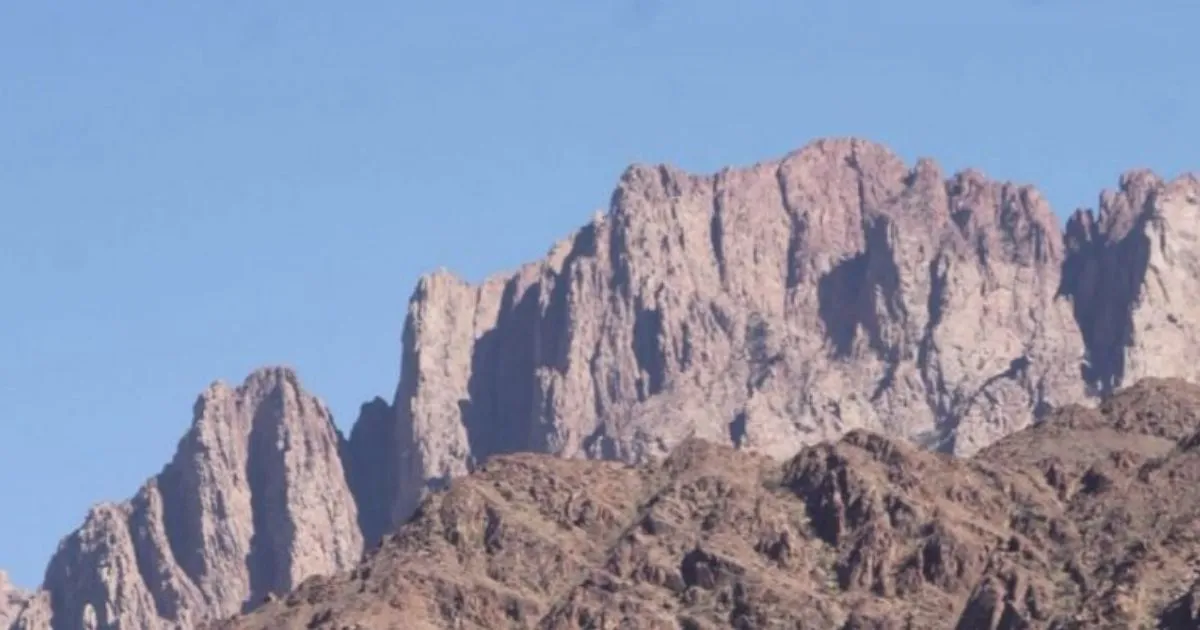
Jabal Warqan (pronounced with a fatha on the first letter and a kasra on the second) is a massive, sprawling mountain range often referred to in the plural—Jibal Warqan—due to its extensive network of ridges and plateaus. Towering and imposing, its distinctive hue shifts from deep black to hints of red, making it an unmistakable landmark between Madinah and Makkah. More than just rock and earth, Jabal Warqan is etched into the historical and religious consciousness of the Hijaz region, mentioned in classical texts and oral traditions that span centuries.
The Strategic Location of Jabal Warqan
Understanding where Jabal Warqan is situated is key to understanding its historical importance. It lies approximately 55 kilometers southwest of the Prophet’s Mosque in Madinah, serving as a giant sentinel between two key routes.
- Ancient Pathways: Historically, it marked the area between Al-‘Arj and Ar-Ruwaythah, with its slopes leading to vital stops like Sayala, Ar-Rawha’, and Wadi Al-Jiyy. These were critical waypoints on the ancient caravan trails.
- Modern Vistas: Today, its eastern flank is visible from the modern Madinah-Jeddah Expressway (Highway 340, often called the “Hijrah Road”), just after passing the Maashi Wells. Its western face overlooks the old Madinah-Jeddah Highway, becoming clearly visible near the area of Al-Rawha’ (Bir Al-Rawha’) and the Al-Farish area near the Roads Administration building.
Internal Link: To explore other significant landmarks in the region, read our guide to the Valleys Surrounding Madinah.
A Geological & Botanical Marvel: The Physical Description of Jabal Warqan
The grandeur of Jabal Warqan is matched by its ecological richness. Classical sources and modern observations paint a picture of a vibrant, almost paradoxical oasis in the desert.
- A Fortress of Biodiversity: It was famously described as having many types of trees, both fruit-bearing and non-fruit-bearing, such as al-qarazh (acacia for tannin) and sumac. The mountain historically contained water sources (‘Ushal) and springs (‘Uyūn), supporting life.
- Home to Premier Honey: One of its most celebrated natural products is its exceptionally high-quality honey. The diverse flora—unique plants and flowers said not to be found elsewhere—provides rich forage for bees, creating a distinct and prized variety of wild honey.
- Rugged Terrain and Wildlife: The mountain is surrounded by rough plateaus and rocky terrain, particularly to the south and north. Local inhabitants and those living nearby report that the interior of Jabal Warqan is home to various wild animals, including Arabian leopards, hyraxes, and foxes, which have been sighted on numerous occasions.
This combination of imposing geology and hidden verdancy has inspired poetry and proverbs, with people singing of its difficult ascent and impregnable nature.
the maountain metrics
Jabal Warqan: The Mountain Metrics
Beyond its history and legends, Jabal Warqan is a formidable physical entity. Understanding its measurable characteristics—its metrics—provides a deeper appreciation of its scale and why it has been such a dominant landmark for millennia.
Here are the key geographical and geological metrics that define Jabal Warqan:
| Metric | Details & Estimated Range |
|---|---|
| Approximate Height | While an exact official survey is scarce, geological studies of the Hijaz volcanic field and topographic maps suggest its summit rises between 1,300 to 1,600 meters (4,265 – 5,250 feet) above sea level. It stands roughly 700-900 meters above the surrounding plains. |
| Prominence | High. As a major, isolated massif, Jabal Warqan has significant topographic prominence, meaning it rises sharply from its base, making it visually dominant. |
| Length & Area | It is described as a sprawling range or massif. Its main ridge extends approximately 20-25 kilometers (12-15 miles) in length, covering a significant area of the landscape between Sayala and Wadi Al-Jiyy. |
| Geological Age | Part of the Harrat Rahat volcanic field, one of the largest in Arabia. The volcanic activity that formed it occurred primarily during the Late Cenozoic era, with major phases between 10 million and 1,000 years ago. |
| Rock Composition | Primarily basalt and other volcanic rocks (andesite, rhyolite), which give it its characteristic dark, reddish-black coloration. These are extrusive igneous rocks formed from cooled lava. |
| Key Coordinates (Approx.) | GOOGLE MAPS LOCATION |
| Distance from Madinah | Approximately 55 kilometers (34 miles) southwest of the Prophet’s Mosque, as cited in classical sources like Al-Samhudi’s Wafa’ al-Wafa. |
| Notable Features | • Rugged Terrain: Steep slopes, deep wadis (valleys), and rocky plateaus. • Historical Passes: Hosts ancient pathways and passes used by caravans. • Biodiversity: Supports a unique micro-ecosystem with endemic flora and fauna. |
Jabal Warqan Today: Modern Significance and Visitation
What is the role of Jabal Warqan in the 21st century? It remains a powerful geographical and cultural icon.
- A Navigational Beacon: For travelers on the highway between Madinah and the coast, Jabal Warqan‘s distinct profile is a familiar and reassuring sight, continuing its ancient role as a waypoint.
- A Subject of Study: Geologists and biologists have a keen interest in its unique composition and ecosystem. The mountain is part of the Hejaz volcanic field, and its botany is a testament to desert adaptation.
- Tourism and Adventure: While not a developed tourist site, it attracts adventurous hikers, off-road enthusiasts, and history buffs drawn to its isolation and legacy. The areas around it, like the historic well of Al-Rawha’, are points of interest.
Important Note: The interior of Jabal Warqan is rugged and potentially dangerous. It is not a supervised park. Any visitation requires meticulous planning, a capable 4×4 vehicle, local guides, and respect for the fragile environment and private property.
How to Experience Jabal Warqan Responsibly
If you wish to witness the majesty of Jabal Warqan, here is a responsible approach:
- View from Afar: The safest and most accessible way is to observe it from the main highways. Pull over safely at a designated rest area on the Madinah-Jeddah road to take in its scale.
- Seek Local Expertise: If you wish to explore closer, contact reputable Madinah-based tour operators who specialize in historical or adventure tourism. They can provide safe, knowledgeable guidance.
- Respect the Land: This is not a leisure park. Adhere to the principle of “leave no trace.” Do not litter, disturb wildlife, or attempt dangerous climbs without proper preparation.
- Honor the Heritage: Approach Jabal Warqan with the respect it deserves as a landmark that has witnessed centuries of history, from pre-Islamic times through the golden age of Islam to the present day.
Internal Link: For a deeper understanding of the region’s context, learn about the History of Masjid Nabawi.
The Enduring Sentinel
Jabal Warqan is far more than a geological feature on a map. It is a multidimensional landmark: a historical witness to caravans and early Muslim expeditions, a botanical refuge producing legendary honey. While its slopes may be silent, they speak volumes to those who understand their language. Whether you glimpse its dark silhouette from the modern highway or delve into the classical texts that mention its name, engaging with the story of Jabal Warqan is to connect with a profound layer of Arabia’s natural and spiritual heritage. It stands as a mighty, enduring sentinel, guarding the secrets of the past while watching over the journeys of the present.