
Shaboura, Dakkah & Shareek Deserve a Spot on Your Table
Table of Contents
7 Remarkable Reasons Saudi Traditional Foods Like Shaboura, Dakkah & Shareek Deserve a Spot on Your Table
Saudi Traditional Foods like Shaboura Dakkah and Shareek are living, edible history. They offer a direct connection to centuries of Hijazi culture, transforming a simple meal into an unforgettable sensory journey of crunch, spice, and shared warmth.
While grand feasts like Kabsa are celebrated worldwide, the true soul of Saudi cuisine often resides in its humble, everyday staples. In the historic Hijaz region—the heartland of cities like Makkah and Madinah—three items form a holy trinity of flavor: the crispy Shaboura rusk, the aromatic Dakkah spice blend, and the comforting Shareek bread. This isn’t just food; it’s a story on a plate. Here are seven remarkable reasons why these Saudi Traditional Foods should captivate your palate.
1. What Are Shaboura, Dakkah & Shareek?
Before we delve into the reasons, let’s identify our protagonists. Shaboura, Dakkah, and Shareek are foundational elements of Hijazi cuisine, each serving a unique purpose:
- Shaboura is your ultimate crunchy companion—a twice-baked bread rusk.
- Dakkah (specifically Dakkat Al-Madinah) is a dry, pounded spice blend that elevates anything it touches.
- Shareek is the soft, slightly sweet “partner” bread, perfect for tearing and sharing.
Together, they represent the trilogy of Saudi culinary essentials: the preserved staple, the transformative condiment, and the communal bread.
2. Shaboura: The Crispy, Long-Lasting Rusk
Shaboura is a masterpiece of culinary practicality. This crunchy, toasted bread rusk was born from the need to create food that could withstand the climate and busy lives of the region.
- The Ingredients & Method: Made from simple dough (flour, eggs, sugar, yeast) often scented with anise, cardamom, or sesame, it is baked twice. This second baking dries it out completely, giving Shaboura its signature hard, crunchy texture and remarkably long shelf life.
- Reason #1: A Textural Revelation. The satisfying snap and hearty crunch of Shaboura provide a contrast that makes every bite of a soft dip or sip of warm drink more enjoyable.
- Reason #2: The Practical Pantry Hero. Its durability made it a historical travel food and a reliable staple, always ready for an unexpected guest—a core tenet of Saudi hospitality.
3. Dakkah: The Fragrant Spice Mix of Madinah
Don’t confuse it with the Egyptian Dukkah (often with nuts). Dakkah, or Dakkat Al-Madinah, is a uniquely Hijazi blend that is a symphony of toasted, savory, and tangy notes.
- The Classic Ingredients: The base typically includes roasted sesame seeds, roasted wheat or chickpea, dried coriander seeds, cumin, black pepper, and salt. The defining feature is often the use of loomi (dried black lime) or lemon salt, giving it a distinctive citrusy tang.
- Reason #3: An Instant Flavor Bomb. A spoonful of Dakkah transforms the mundane into the magnificent. It’s the quickest way to add depth, umami, and complexity to a dish.
- How to Use It: The classic way is to mix it with high-quality olive oil into a thick paste and use it as a dip for bread (like Shareek!). It’s also fantastic sprinkled over hummus, grilled meats, roasted vegetables, or even avocado toast.
4. Shareek: The Iconic “Partner” Bread of Hijaz
Shareek, which literally translates to “partner,” lives up to its name. This soft, slightly sweet, and dense bread is meant to be torn apart and shared from a common plate, symbolizing community.
- Characteristics: It has a unique texture—denser than pita, softer than a bagel, with a subtle sweetness that comes from milk or a touch of sugar. Savory versions might include herbs or black seeds (nigella).
- Reason #4: The Ultimate Communal Food. The very act of tearing Shareek with your hands and sharing it breaks down barriers. It embodies the Islamic principle of barakah (blessing) in sharing food.
- Reason #5: The Perfect Flavor Carrier. Its sturdy yet soft texture makes it the ideal vehicle for sopping up sauces, holding grilled meats in a sandwich (mofatta), or, most importantly, scooping up Dakkah and olive oil.
5. Cultural Soul: More Than Just Ingredients
These Saudi Traditional Foods are threads in the social fabric. Their importance goes far beyond nutrition.
- Reason #6: A Direct Link to Heritage. Eating Shaboura, Dakkah, and Shareek is a sensory experience of Hijazi history. They connect you to the spice routes that passed through Madinah and the communal iftars of Ramadan.
- The Social Ritual: You’ll find them central to:
- Breakfast (Futoor): Shareek with Dakkah and olive oil is a classic start to the day.
- Ramadan & Hospitality: Shaboura is a common sight at sunset meals for its quick energy; Shareek is shared among family and guests.
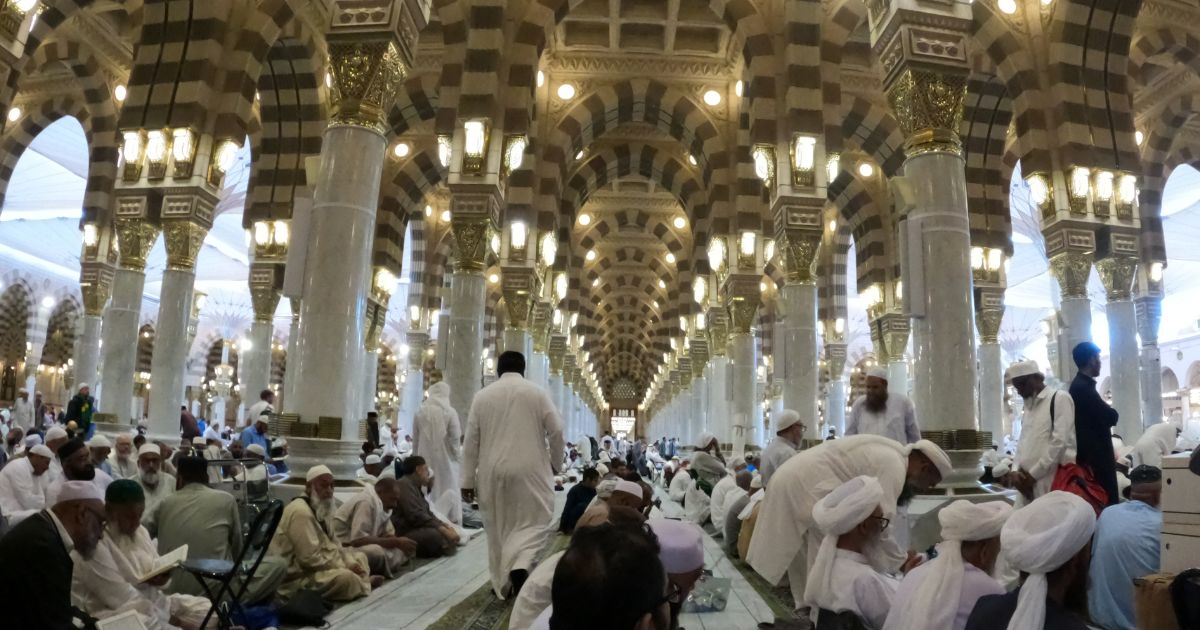
- Pilgrimage: These portable, satisfying foods have nourished pilgrims for generations. You can explore more about the spiritual heart of the region by learning about the history and significance of Madinah.
6. How Tourists Can Experience Shaboura, Dakkah & Shareek
Trying these foods is a non-negotiable part of any visit to the Hijaz. Here’s your practical guide:
- Where to Find Them: Head to the traditional bakeries (furn) in the old quarters of Jeddah (like Al-Balad), Madinah, or Makkah. The spice souqs are also the best place to buy fresh, authentic Dakkah.
- The Must-Try Combo: Order fresh Shareek, ask for a side of Dakkah and olive oil, and mix your own dip. Use a piece of Shaboura to try it for a textural adventure.
- Look for Authenticity: The best Dakkah is often sold in simple bags or containers by spice merchants. For a broader look at the country’s offerings, the official Saudi Tourism Authority’s Culinary Page is an excellent resource.
7. Modern Twists & Nutritional Notes
Today’s chefs and home cooks are reinterpreting these classics while respecting their soul.
- Contemporary Versions: You might find gluten-free Shaboura, Shareek made with whole wheat, or Dakkah blends incorporating new seeds like flax or pumpkin.
- A Balanced Bite: Shaboura provides complex carbs; Dakkah is rich in minerals from seeds and spices; Shareek offers energy and satiety. Together, they represent a balanced approach to eating—especially when paired with vegetables and proteins.
- Reason #7: They Are Adaptable and Alive. The evolution of these Saudi Traditional Foods proves they are not museum pieces but living traditions that can fit into modern, global kitchens and dietary needs.
Conclusion: Your Invitation to Taste
Shaboura, Dakkah, and Shareek offer more than just taste. They offer crunch, aroma, warmth, history, and a profound sense of community. These seven reasons—from their practical genius and explosive flavor to their deep cultural resonance and modern adaptability—are why these Saudi Traditional Foods absolutely deserve a spot on your table.
Your journey into the heart of Saudi cuisine begins not the most complex feast, but with the simple, profound act of dipping a piece of Shareek into a bowl of Dakkah. It’s an experience that stays with you, long after the meal is over.
Read more About Madinah in our Blog Page