
Madinah Breakfast: Traditional Foods and Where to Find Them
Last Updated on September 7, 2026 by Mohammed Sifeddine
Table of Contents
Introduction: A Feast for the Soul
A Madinah breakfast is a powerful culinary tradition, a heartfelt expression of Saudi Arabian hospitality deeply rooted in the culture of Medina. It is far more than the first meal of the day; it is a social ritual, a testament to generosity, and a delicious journey into the region’s heritage. Unlike a quick, individual morning bite, an authentic Madinah breakfast is a shared, leisurely, and abundant experience designed to nourish both the body and the spirit through timeless flavors and communal connection.
The Heart of the Meal: Core Madinah Breakfast Dishes
The magic of this breakfast lies in its specific, beloved components. Each item plays a crucial role, creating a symphony of textures and tastes. A complete spread is a colorful mosaic of the following essentials:
Foul Madani: The King of the Table
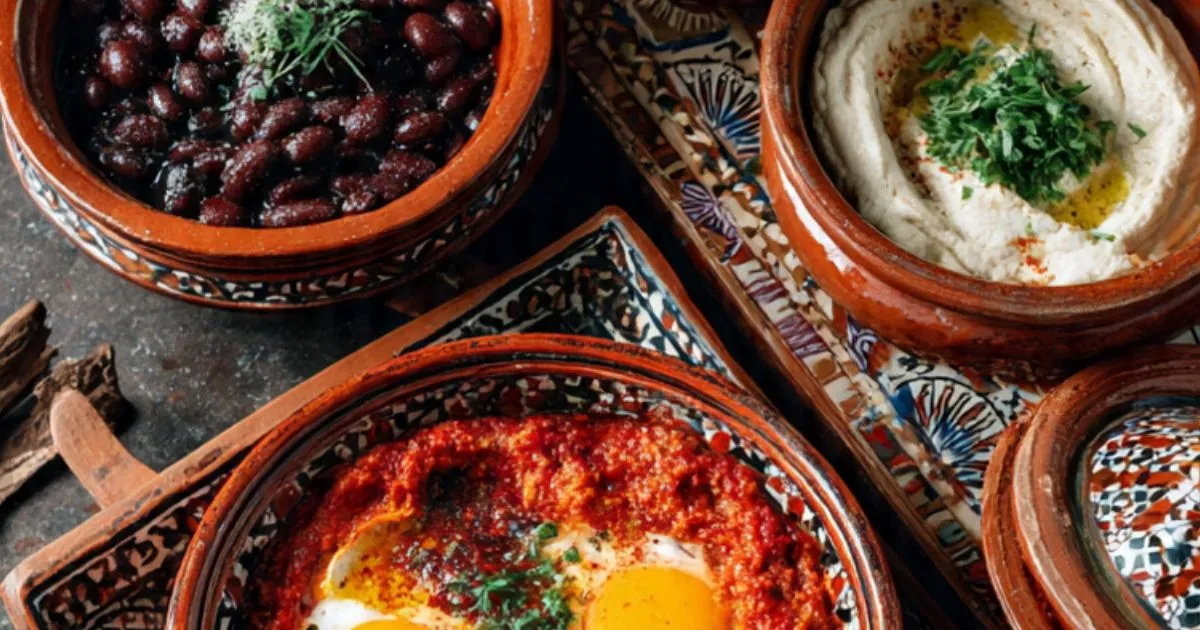
No Madinah breakfast is conceivable without Foul. This is not just any fava bean dish; it is Foul Madani, prepared in the distinct “Madani way.” It involves slowly cooking fava beans until they reach an exceptionally creamy, almost molten consistency, richly seasoned with cumin, garlic, lemon, and olive oil. Served warm, it is the hearty, comforting anchor of the entire meal, typically scooped up with fresh Arabian bread.
Shakshouka: The Hearty Companion
Sharing the spotlight is Shakshouka, a vibrant skillet of eggs poached in a savory, spiced stew of tomatoes, peppers, and onions. Its warming, slightly tangy flavor provides a perfect counterpoint to the earthiness of the foul. In the context of a Madinah breakfast, it adds color, moisture, and a satisfying protein boost.
The Supporting Cast: Cheese, Labnah & Accompaniments
Surrounding these main stars is an array of essential sides:
- Labnah & Cheese: Thick, strained yogurt (labnah) and local white cheeses offer a cool, tangy contrast. They are always served with a generous drizzle of golden olive oil.
- Fresh Vegetables: Slices of cucumber, tomato, and fresh herbs like mint provide a crisp, refreshing palate cleanser.
- Olives: A bowl of green or black olives, often locally cured, adds a essential briny, salty note.
- Arabian Bread (Khubz): Warm, pillowy flatbread is the indispensable vehicle for enjoying every other component on the table.
Beyond the Food: The Ritual & Cultural Significance
The true essence of a Madinah breakfast transcends the ingredients. It is about the way it is enjoyed. This meal embodies karam (generosity), with spreads designed to be abundant and inviting. It is inherently social, encouraging conversation and shared moments over a communal platter.
The presentation itself is part of the tradition. Dishes are often served in a way that feels both generous and artistic—creamy labnah smoothed in a plate and swirled with oil, foul presented in a traditional pot, and fresh herbs sprinkled for color. It’s a feast for the eyes as much as the palate. To understand the broader context of such dining traditions in the Arab world, you can explore resources like BBC’s exploration of Arab culinary history.
The Perfect Finish: Tea and Togetherness
The experience is ceremoniously concluded with the serving of Arabian chai. This is typically strong, sweet black tea, often infused with mint or other herbs like sage (maramiya). More than just a drink, the tea signals a moment of relaxation and reflection after the meal, a time to linger and enjoy the company. The pouring of the tea itself is an act of hospitality, sealing the entire Madinah breakfast experience with warmth.
Where to find them ?
“Souk Al-Tabbakha: The Heartbeat of Madinah’s Culinary Heritage”Souk Al-Tabbakha, also known in the past as Souk Al-Khan, is a culinary landmark in Madinah that brings together the city’s diverse traditional dishes under one roof
Read More about Madinah in our Blog Section